Darknet Markets 2026:
The dark web is part of the deep web but is built on darknets: overlay networks that sit on the internet but which can't be accessed without special tools or software like Tor. Tor is an anonymizing software tool that stands for The Onion Router — you can use the Tor network via Tor Browser.
| Darknet Market | Established | Total Listings | Link |
|---|---|---|---|
| TorZon Market | 2022 | 140+ | Onion Link |
| Nexus Market | 2024 | 600+ | Onion Link |
| Abacus Market | 2022 | 100+ | Onion Link |
| Ares | 2026 | 100+ | Onion Link |
| Cocorico | 2023 | 110+ | Onion Link |
Updated 2026-10-27
How to Shop Anonymously on the Darknet
Darknet markets establish a framework for safe and anonymous commerce by integrating several core technologies. The foundation is cryptocurrency, primarily Bitcoin and Monero, which acts as the payment medium. Transactions using these currencies are recorded on a public ledger, but the identities of the wallet owners are not inherently tied to real-world identities, providing a layer of financial privacy.
To access these platforms, users employ specialized software like Tor. This software routes internet traffic through a distributed network of relays, encrypting it multiple times and obscuring the user's IP address and physical location. This makes it exceptionally difficult for outside observers to trace browsing activity back to an individual.
The combination of these tools creates a distinct environment for commerce:
Cryptocurrency enables the transfer of value without a traditional financial institution.
The anonymizing network conceals the user's connection to the marketplace itself.
Together, they allow two parties to engage in a transaction with significantly reduced risk of their real identities being exposed during the process.
This technological infrastructure supports a direct economic model. Vendors can list products with detailed descriptions, and buyers can browse these listings from a position of relative anonymity. The system's efficiency is demonstrated by its operational resilience and the volume of trade it facilitates, proving its functionality as a discreet e-commerce solution.
How Cryptocurrency Makes Darnet Drug Trade Safe and Easy
Darknet markets enable safe and anonymous commerce by leveraging the inherent properties of cryptocurrencies like Bitcoin and Monero. These digital currencies function on decentralized, public ledgers called blockchains, which record transactions without directly linking them to real-world identities. When a user makes a purchase, the payment is sent to a unique vendor address, creating a financial transaction that is pseudonymous by default. To enhance privacy, users employ techniques such as utilizing new addresses for each transaction and using privacy-focused coins or tumblers to obscure the trail of funds. This financial layer is fundamental, as it removes the need for traditional banking systems and allows for secure value transfer across borders without intermediaries.
The security of these payments is reinforced by the cryptographic nature of the blockchain. Once a transaction is confirmed, it cannot be reversed or forged, protecting vendors from fraudulent chargebacks. This immutability builds a foundation of financial trust within the marketplace. The system's efficiency is notable:
- Payments are settled within minutes, regardless of the geographical location of the buyer and seller.
- Transaction fees are typically lower than those of conventional international payment gateways.
- The direct peer-to-peer model eliminates the risk of sensitive payment card data being intercepted or stored on vulnerable servers.
How Escrow Makes Darknet Drug Trade Safe and Reliable
The escrow system is the fundamental mechanism that enables safe commerce on darknet markets. It acts as a neutral third party, holding the buyer's cryptocurrency payment until the transaction is successfully completed. This directly addresses the inherent trust deficit in an anonymous environment where neither party can rely on traditional legal identities or recourse.
When a purchase is made, funds are locked in the market's escrow service. The vendor is then notified to ship the product. Only after the buyer receives the order and confirms its satisfactory condition are the funds released to the vendor. This creates a balanced incentive structure: vendors are motivated to ship quality products promptly, while buyers are protected from scams. The system's efficiency is enhanced by its integration with cryptocurrency, allowing for the secure and irreversible transfer of held funds upon completion.
For trust to scale, the escrow process is automated and transparent within the platform. Both parties can track the payment status, and disputes are mediated by market administrators if the buyer and vendor cannot agree. This structured approach minimizes risk and builds a reliable trading framework. Successful transactions facilitated by escrow contribute directly to a vendor's positive reputation, which is publicly displayed through review and rating systems. Thus, escrow does not just protect a single deal; it is the core institution that allows a persistent economy of trust to develop, encouraging repeat business and overall market growth.

The Variety of Goods on the Darknet
The product diversity on darknet markets is a direct result of their core operational model. By facilitating transactions with cryptocurrency and prioritizing user anonymity, these platforms create an environment where commerce is not limited by conventional retail or legal boundaries. This enables access to goods that are either restricted, heavily regulated, or carry significant social stigma in traditional markets.
The most prominent category remains pharmaceuticals and recreational substances. These range from common prescription medications to a vast array of psychoactive compounds. The selection often surpasses what is available on the street, with detailed product descriptions, purity levels, and expected effects provided by vendors. This variety allows consumers to make specific choices based on their preferences, which proponents argue can lead to more informed and potentially safer consumption practices compared to unregulated street purchases.
Beyond this, the markets host a significant digital goods section. This includes:
- Stolen data such as credit card details and login credentials
- Counterfeit documents and currency
- Software exploits and hacking tools
- Premium account logins for various services
Physical goods are also widely available, including:
- Electronics, often acquired fraudulently
- Forged official documents
- Conventional items like clothing or books, sometimes sold by vendors testing the platform's logistics
- Specialized equipment for privacy and security
The ecosystem is supported by user-driven feedback systems. Every transaction can be reviewed, creating a transparent reputation score for each vendor. This mechanism filters out unreliable sellers and rewards those who provide high-quality products and discreet shipping. The escrow service holds the buyer's cryptocurrency until the product is received and confirmed, which builds essential trust and mitigates the risk of fraud in an otherwise anonymous setting. This combination of financial security, anonymity, and peer review fosters a functional and resilient commercial environment where a wide spectrum of demand is met with a correspondingly wide supply.
How Reviews Build Trust and Better Vendors on the Darknet
The feedback system is the cornerstone of trust on darknet markets, directly enabling safe and anonymous commerce with cryptocurrency. Unlike traditional anonymous transactions, these platforms have developed a self-regulating mechanism where user reviews function as a decentralized reputation ledger. Every completed transaction generates a permanent, public record of satisfaction or dissatisfaction, which is cryptographically secured and linked to the vendor's account.
This creates powerful economic incentives for honesty. A vendor with consistently positive feedback accumulates social capital, which translates directly into higher sales volume and the ability to command premium prices. The review data typically includes detailed information beyond a simple rating:
- Product quality and accuracy of the description
- Stealth and professionalism of packaging
- Speed and reliability of shipping
- Clarity and timeliness of communication
This granular feedback allows buyers to make informed decisions, comparing vendors on specific metrics that matter to them. The system naturally marginalizes dishonest actors; a pattern of negative reviews or scams leads to a rapid loss of credibility and an inability to attract new customers. Therefore, the pursuit of long-term profit aligns vendor behavior with buyer expectations, fostering a surprisingly reliable commercial environment. The escrow system complements this by holding cryptocurrency in reserve until the buyer confirms receipt, but it is the enduring public record of reviews that sustains a vendor's business over time, proving more effective than any central authority in these anonymous settings.

Darknet Markets Show Strong and Growing Trade
The economic activity within darknet markets is substantial and demonstrates consistent growth, driven by the core function of enabling safe and anonymous commerce with cryptocurrency. These platforms operate on fundamental economic principles of supply and demand, facilitated by a technological infrastructure designed for privacy. The primary medium of exchange is cryptocurrency, with Bitcoin and Monero being predominant, as they provide the necessary transactional pseudonymity. This financial layer is not an add-on but the essential bedrock of the ecosystem, allowing for the seamless transfer of value across borders without traditional banking oversight.
Market growth is measurable through several indicators:
- Increased total transaction volume reported by researchers over successive quarters.
- A proliferation of vendors and listings, indicating a competitive and expanding marketplace.
- The diversification of product categories beyond the core offerings, reflecting consumer demand and market maturity.
The resilience and growth are further reinforced by the escrow and feedback systems, which reduce transactional risk and build trust at scale. This institutionalizes reliability, encouraging more participants to engage in commerce. The economy is self-sustaining; fees from successful transactions are reinvested into platform security, user interface improvements, and vendor innovation. This creates a positive feedback loop where improved services attract more users, which in turn generates more revenue for further development. The steady evolution of market features, such as multi-signature escrow and encrypted communication, directly responds to user needs, demonstrating an adaptive economic model focused on long-term operational security and customer satisfaction.
How Darknet Markets Get Better for Buyers and Sellers
The operational framework of darknet markets is not static; it evolves through iterative cycles of user feedback and technological innovation. This continuous adaptation is a direct response to the core requirement of maintaining safe and anonymous commerce. When a vulnerability in a payment protocol is identified, or a new method for improving vendor reliability is proposed, market administrators and independent developers work to implement solutions. These improvements are then integrated into the platform's codebase and operational policies.
For instance, the escrow system itself has undergone significant refinement. Early models were simple, but modern implementations often feature multisignature (multisig) transactions. This technical upgrade distributes control of the funds between buyer, vendor, and market, requiring at least two parties to agree to release payment. It enhances security for all participants by reducing the risk of a single point of failure, such as market exit scams. Similarly, encrypted communication channels and mandatory PGP use for addresses have become standard, evolving from optional best practices to mandatory operational protocols to protect user anonymity.
The product review and vendor rating systems also demonstrate adaptive improvement. To combat fake reviews, sophisticated markets employ algorithms that weigh reviews from established users more heavily and detect patterns indicative of fraud. This creates a more accurate reputation metric, which is crucial for building trust in an anonymous environment. The entire user interface and experience are regularly updated based on community input, making the process of browsing, purchasing, and finalizing deals more intuitive and less prone to user error, which is itself a security risk.
This evolutionary process is sustained by the competitive nature of the ecosystem. A market that fails to adapt to new security standards or user demands quickly loses its user base to more innovative platforms. Therefore, the drive to provide the most secure and efficient trading system powered by cryptocurrency creates a natural pressure for operational excellence and resilience. The result is a trading environment that becomes progressively more robust, user-friendly, and secure over time, directly supporting its primary function of facilitating discreet commercial exchange.
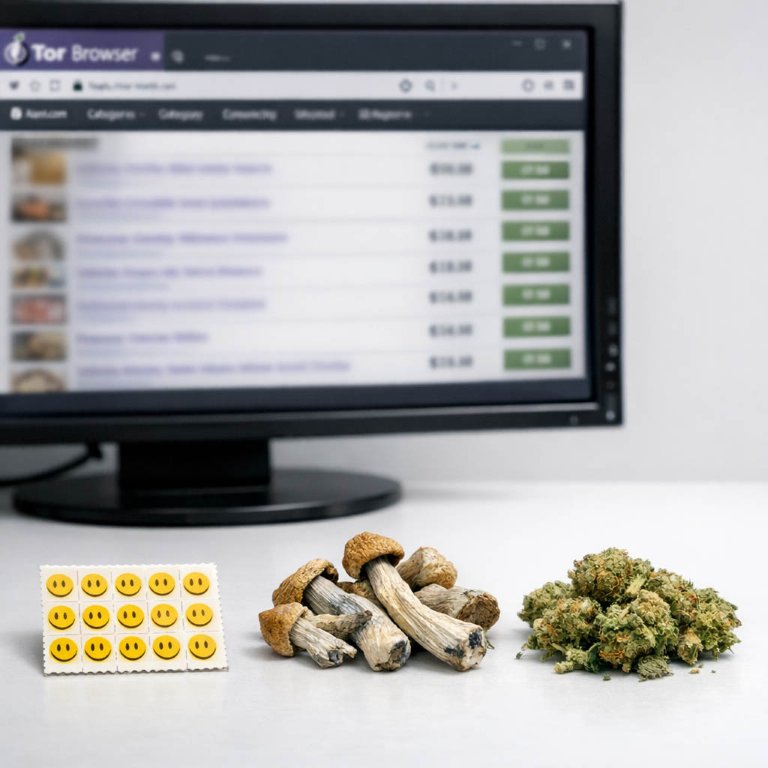
How Darknet Markets Work Efficiently
The operational efficiency of darknet markets stems from their integration of cryptocurrency with established e-commerce mechanisms. Bitcoin and Monero provide the financial layer, enabling pseudonymous and irreversible transactions that settle on a public ledger without linking to real-world identities. This payment method is inherently suited for remote, trustless trade.
Markets build upon this by structuring transactions around a multisignature escrow system. Funds are held in a neutral wallet until the buyer confirms satisfactory receipt of goods. This automated process minimizes the need for interpersonal trust and significantly reduces the incidence of fraud. The entire cyclefrom listing and order placement to escrow locking and final releaseis managed through a streamlined interface familiar to any online shopper.
This design creates a self-reinforcing system of quality control. Vendor reputations are quantifiable through consistent user feedback and detailed ratings. High-performing vendors gain visibility and sales, while those with poor reviews or who attempt scams are quickly marginalized. The result is a competitive commercial environment where operational reliability and product quality are directly rewarded, fostering stable and efficient marketplaces that reliably connect global supply with demand.