Darknet Markets 2026:
The dark web is part of the deep web but is built on darknets: overlay networks that sit on the internet but which can't be accessed without special tools or software like Tor. Tor is an anonymizing software tool that stands for The Onion Router — you can use the Tor network via Tor Browser.
| Darknet Market | Established | Total Listings | Link |
|---|---|---|---|
| TorZon Market | 2022 | 140+ | Onion Link |
| Nexus Market | 2024 | 600+ | Onion Link |
| Abacus Market | 2022 | 100+ | Onion Link |
| Ares | 2026 | 100+ | Onion Link |
| Cocorico | 2023 | 110+ | Onion Link |
Updated 2026-10-27
How to Shop Anonymously on the Darknet
The operational model of a darknet marketplace is a sophisticated framework for anonymous commerce. It begins with user access through the Tor network, which obscures the IP address and physical location of both buyers and vendors. This layer of network anonymity is foundational, separating the transaction from real-world identity.
Financial privacy is achieved through cryptocurrency, primarily Bitcoin or Monero. These digital currencies enable pseudonymous payments without involving traditional banking systems. The transaction is not linked to a personal name, but to a blockchain address, adding a critical financial privacy layer.
Market mechanics are designed to build trust between anonymous parties. The escrow system is central. When an order is placed, the buyer's cryptocurrency is held in escrow by the marketplace. It is only released to the vendor after the buyer confirms receipt of the goods. This protects the buyer from fraud and incentivizes the vendor to fulfill the order correctly.
Post-transaction, the buyer leaves detailed vendor feedback and product reviews. This creates a transparent, community-driven reputation system. High-rated vendors with consistent positive reviews gain trust and more business, establishing a self-regulating quality control mechanism. Product listings are comprehensive, with details on:
- chemical purity and composition
- precise weight or unit count
- high-resolution photographs
- country of dispatch
All communication occurs via encrypted messaging systems internal to the platform, preventing interception. The combination of these elementsnetwork anonymity, cryptocurrency, escrow, and a public reputation systemcreates a functional and resilient environment for digital trade. The range of available products is vast, but the system's efficiency is most notable in sectors where traditional commerce is restricted, as it provides a standardized, secure, and feedback-driven procurement process.
Private Payments with Crypto on the Darknet
Cryptocurrency is the financial backbone of the darknet marketplace, enabling a level of transactional privacy unattainable in traditional commerce. Unlike credit cards or bank transfers, which are tied directly to personal identity, cryptocurrencies like Bitcoin and Monero operate on decentralized networks. Payments are recorded on a public ledger, but the identities of the sender and receiver are represented by alphanumeric addresses. This creates a fundamental separation between a user's real-world identity and their financial activity on the darknet.
The process is straightforward. A buyer funds a private cryptocurrency wallet, generates a unique address for a specific vendor order, and sends the exact amount. The transaction is then confirmed by the network. For enhanced privacy, users often employ tumbling or coin mixing services, which obfuscate the trail of funds by pooling and redistributing them, making forensic analysis significantly more difficult. Monero, designed with privacy as its core feature, uses ring signatures and stealth addresses to achieve this obfuscation by default, making it increasingly preferred for private payments.
This financial model directly supports anonymous commerce by removing the need for trusted third parties like banks. It allows for secure, peer-to-peer value transfer across borders without censorship. The integration of cryptocurrency with darknet market escrow systems further secures the trade. Funds are held in escrow until the buyer confirms satisfactory receipt of the product, only then are they released to the vendor. This combination of cryptocurrency for private payment and escrow for transactional security forms a robust framework for digital trade, empowering users to engage in commerce based on mutual agreement and system-enforced trust mechanisms rather than institutional oversight.
How Escrow Makes Darknet Deals Safe
The escrow system is a fundamental security mechanism on darknet marketplaces, acting as a neutral third party to facilitate trust between anonymous buyers and vendors. When a purchase is made, the buyer's cryptocurrency is not sent directly to the seller. Instead, the funds are held in a secure, marketplace-controlled escrow account. This creates a protected environment for the transaction.
The process follows a clear sequence:
1. The buyer places an order and the payment is locked in escrow.
2. The vendor is notified and ships the product.
3. Upon receipt, the buyer confirms the product meets the advertised quality and quantity.
4. Only after this confirmation are the funds released from escrow to the vendor.
This model effectively mitigates the primary risk of anonymous trade: fraud. It protects buyers from vendors who might not ship the product, a practice known as selective scamming. Simultaneously, it assures vendors that payment is secured before they dispatch their goods. The system incentivizes honest conduct, as vendors only receive payment upon successful completion of the deal, which directly influences their vendor rating and future business prospects.
For disputes, such as non-delivery or significant quality discrepancies, most platforms offer a moderated resolution process. Both parties can provide evidence, like encrypted communication logs, to an impartial marketplace moderator who then decides whether to release the escrow funds to the vendor or refund them to the buyer. This structured approach transforms a potentially risky anonymous exchange into a self-regulating and secure commercial transaction, mirroring the protective functions of established payment processors in conventional e-commerce.
How Darknet Reviews Ensure Good Product Quality
The feedback system on a darknet marketplace functions as a decentralized quality assurance mechanism. Each transaction concludes with a buyer leaving a detailed review, which includes a product rating and often a textual description of their experience. This review directly influences the vendor's public reputation and future sales. The collective intelligence of the community, aggregated through these reviews, provides a reliable metric for product purity and consistency that is difficult to falsify on a large scale.
Reviews typically specify the chemical composition, measured weight, and observed effects of the product, comparing them to the vendor's advertisement. This creates a transparent record. A vendor with hundreds of positive reviews for a specific substance demonstrates a proven track record of delivering what is promised. The system naturally penalizes bad actors; a seller attempting to dilute a product or engage in a "selective scam" will quickly accumulate negative feedback, alerting the entire community and effectively ending their business.
The structure of the review process includes several key components:
- Product Rating (1-5 stars): A quick, quantitative summary of buyer satisfaction.
- Stealth & Shipping Assessment: Feedback on the discretion and efficiency of the delivery method.
- Textual Analysis: First-hand accounts describing the product's effects, appearance, and purity, often using testing kits for verification.
- Finalizing the Transaction: The review is only posted after the buyer finalizes the order from escrow, ensuring the feedback is tied to a completed sale.
This ecosystem of user-generated content transforms individual experiences into a shared knowledge base. It allows new buyers to make informed decisions based on empirical evidence from peers, reducing the risk of receiving substandard or misrepresented products. The continuous flow of reviews creates a self-correcting market where quality and transparency are financially rewarded, and dishonesty is rapidly marginalized.
How Reviews Make Darnet Markets Work
The foundation of a functional darknet marketplace is a robust reputation system. This system replaces the legal guarantees of conventional commerce, creating a self-regulating environment where trust is quantifiable. Vendor ratings and detailed user feedback form the core of this mechanism, allowing for informed decision-making and promoting high standards of service.
Every transaction concludes with a multi-faceted review. Buyers evaluate vendors on specific criteria, including:
- Product quality and purity, matching the advertised description.
- Shipping speed and stealth of packaging.
- Communication quality and professionalism.
The feedback is persistent and transparent, creating a powerful incentive for vendors to maintain consistent quality. A negative review, especially regarding product misrepresentation, can severely damage a vendor's standing and future sales. This direct accountability fosters a market where reliable vendors thrive. For buyers, this system mitigates risk; they can analyze a vendor's history over time, noting how disputes were resolved and if there are patterns of complaints. This transforms the anonymous darknet from a chaotic space into a structured marketplace governed by community-enforced credibility.

Secure Messaging for Safe Darknet Purchases
Encrypted communication is the fundamental layer of operational security on a darknet marketplace. Every message between a buyer and a vendor, from initial inquiry to final delivery details, is secured using end-to-end encryption (E2EE). This system ensures that only the intended recipient can decrypt and read the message, making interception by third parties functionally impossible. Platforms typically integrate this directly into their messaging systems, requiring no technical setup from the user.
The primary tool for this is PGP (Pretty Good Privacy) encryption. Users generate a unique PGP key pair: a public key, which is shared on their profile like a digital address, and a private key, which is kept secret. When a vendor needs to send sensitive information, such as a shipping address, they encrypt it using the buyer's public key. That encrypted data can then only be decrypted with the corresponding private key held by the buyer. This process eliminates the risk of marketplace administrators or external entities accessing private transaction data.
This encryption serves several critical functions:
- It protects personal identifiable information, primarily shipping details, from ever being stored in plaintext.
- It allows for secure dispute resolution by providing a verifiable and tamper-proof record of communication that can be presented to a moderator.
- It establishes a channel for verifying vendor identity, as a consistent PGP key across listings and messages confirms the vendor's legitimacy and prevents phishing attempts from imposters.
The reliance on encrypted communication transforms trust from an abstract concept into a verifiable technical procedure. It allows strangers to conduct sensitive commerce with a high degree of confidence that their real-world identities and transaction specifics remain compartmentalized and secure. This technical barrier is what enables the anonymous commerce model to function at scale, creating a private environment for negotiation and exchange that mirrors the discretion of in-person interactions without the associated physical risks.
A Huge Selection of Drugs on the Darknet
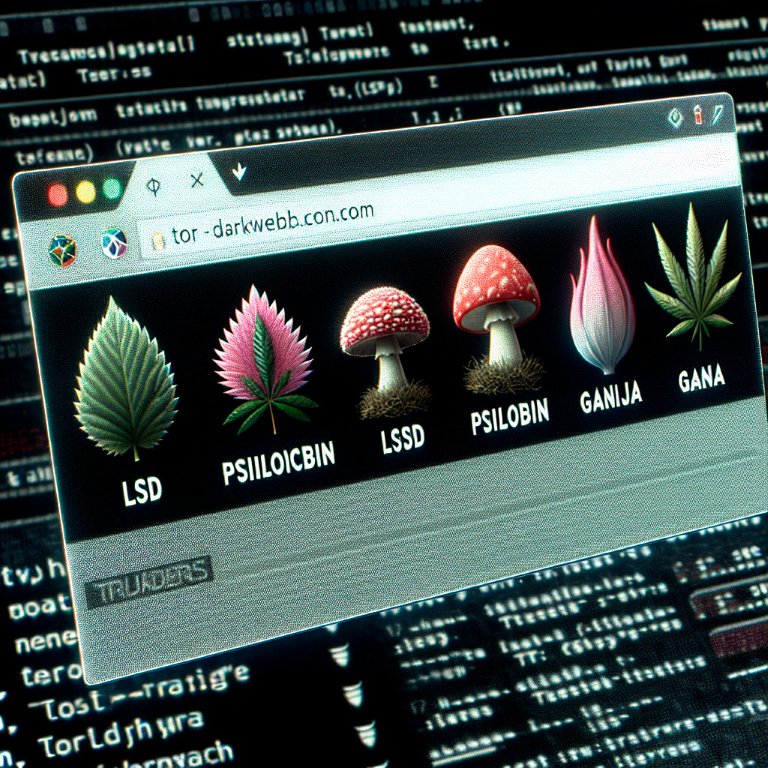
The inventory on a darknet marketplace is vast and specialized, directly reflecting user demand for substances that are often difficult to source reliably in the physical world. These platforms function as comprehensive digital dispensaries, offering everything from common cannabis and MDMA to prescription medications like Adderall or benzodiazepines, and more potent substances such as LSD, psilocybin mushrooms, and various research chemicals. This diversity is a core feature, providing consumers with a clear alternative to the unpredictability of street-level deals.
The product listings are highly detailed, typically including:
- Precise chemical or strain names
- Exact weight or unit counts
- Documented purity percentages from vendor testing
- High-resolution photographs
- Country of origin and shipping options
This level of specification allows for informed decision-making. A user seeking a specific experience, such as the effects of a particular sativa strain or the potency of a batch of 2C-B, can find a product that matches their requirements. The system effectively standardizes a trade that has historically been opaque, reducing uncertainty about what is being purchased. The range extends beyond the substances themselves to include related paraphernalia and sometimes digital goods, but the primary economic driver remains the drug trade, curated and presented with an efficiency that mirrors legitimate e-commerce.

How the Darknet Builds Trust for Reliable Trade
The darknet marketplace operates as a self-regulating economic ecosystem. Its resilience and functionality are not imposed by external authorities but emerge from the precise alignment of participant incentives with platform mechanisms. The core componentscryptocurrency, escrow, and a reputation systemcreate a closed loop of enforced accountability.
Cryptocurrency provides the necessary financial anonymity and finality, removing chargebacks and linking transactions directly to digital contracts. The escrow service acts as a neutral third party, holding payment until the buyer confirms satisfactory receipt of goods. This simple mechanism prevents the most common fraud scenarios. The true regulatory force, however, is the public feedback and rating system. Every transaction concludes with a review, detailing product purity, shipping speed, and vendor communication. These reviews are immutable and form a vendor's permanent reputation score.
This structure creates powerful economic incentives:
- Vendors with high ratings and positive reviews gain more business, motivating consistent quality and reliable service.
- Vendors who attempt to scam buyers quickly accumulate negative feedback, making future sales nearly impossible.
- Buyers are encouraged to leave honest feedback to maintain their own account standing within the community.
The system automates trust through transparency of past behavior. A new user can assess a vendor's entire history before purchasing. This reduces risk and fosters market efficiency. Disputes are mediated through the platform's encrypted messaging, with escrow release often contingent on the resolution. The collective intelligence of the community, expressed through thousands of daily transactions and reviews, continuously audits the market, identifying and marginalizing bad actors without any central oversight. This organic regulation is the foundational principle that allows for sustained, large-scale anonymous digital trade.